
 Brian Dương
#What Is Vietnamese Homali Rice? Why Is It Famous in the World?
What Is Vietnamese Homali Rice? Why Is It Famous in the World?
27/05/2025 -
Nội dung bài viết
Vietnamese Homali rice is one of the country’s most treasured rice varieties, prized for its fragrant aroma, tender texture, and superior quality. Originating from the fertile Mekong Delta, Homali rice has become synonymous with premium jasmine rice in Vietnam and has captured the attention of consumers and chefs worldwide. This article delves into what Vietnamese Homali rice is and why it enjoys global fame as one of the finest rice varieties.
Understanding Vietnamese Homali Rice
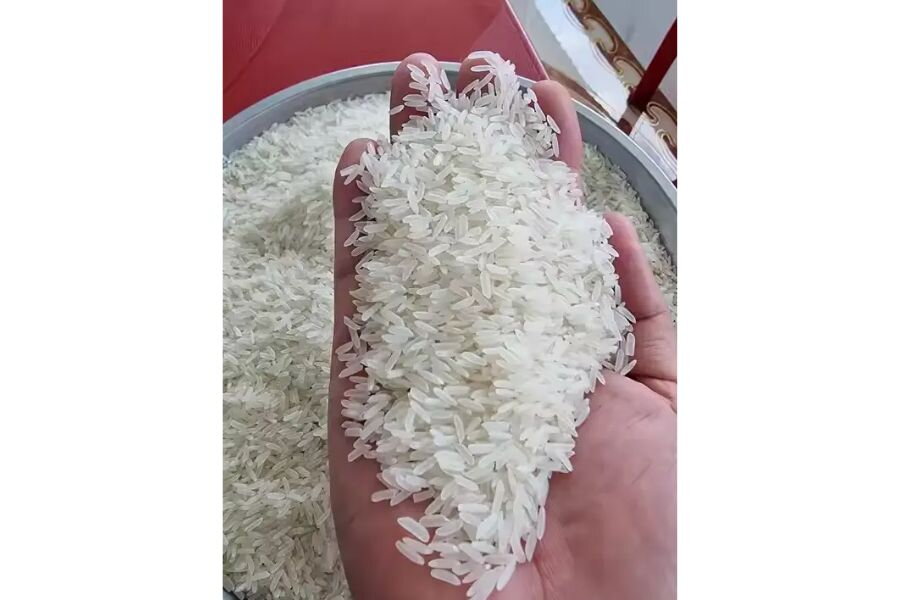
Homali rice, also known as Vietnamese jasmine rice, is a type of long grain aromatic rice renowned for its natural fragrance and delicate flavor. It is cultivated primarily in the Mekong Delta region, where ideal climatic and soil conditions contribute to its unique qualities.
Key Characteristics of Vietnamese Homali Rice
-
Fragrant aroma: Homali rice releases a distinctive floral scent, especially when cooked, attributed to the natural compound 2-acetyl-1-pyrroline.
-
Long, slender grains: The grains are polished to a bright white, uniform length and slender shape.
-
Soft and fluffy texture: When cooked properly, Homali rice grains are tender and separate easily.
-
Slightly sweet flavor: Its mild sweetness enhances the taste of accompanying dishes.
-
Low broken grain content: Quality Homali rice is carefully milled to reduce broken grains, ensuring a premium texture.
Cultivation of Homali Rice in Vietnam
The Mekong Delta’s fertile alluvial soils, abundant water resources, and tropical climate provide the perfect environment for growing Homali rice. Farmers combine traditional knowledge with modern agricultural practices, such as scientific breeding and controlled irrigation, to produce high-quality rice consistently.
Why Is Vietnamese Homali Rice Famous Worldwide?
Several factors contribute to the international recognition and popularity of Vietnamese Homali rice.
1. Exceptional Aroma and Flavor
Homali rice’s natural fragrance distinguishes it from many other rice varieties. The floral scent, reminiscent of jasmine flowers or popcorn, enhances the sensory dining experience and is highly prized in gourmet cooking.
2. Superior Cooking Quality
Homali rice cooks to a fluffy, light texture that is neither too sticky nor too dry, making it ideal for a wide range of dishes. Its grains remain separate yet tender, perfect for steamed rice, fried rice, and rice-based salads.
3. Cultural Significance
Homali rice holds a special place in Vietnamese cuisine and culture, often served during celebrations and family gatherings. Its premium status reflects Vietnam’s rich agricultural heritage and culinary traditions.
4. Consistent Quality Control
Stringent harvesting, drying, and milling processes ensure that Vietnamese Homali rice meets international quality standards, building trust among consumers worldwide.
5. Global Export Reach
Vietnam’s robust rice export industry has brought Homali rice to markets around the world, from Asia to Europe and the Americas, increasing its visibility and demand.
Comparison with Other Popular Rice Varieties
Understanding why Homali rice is so famous can be further appreciated by comparing it with other well-known rice types.
Homali Rice vs. Thai Jasmine Rice
-
Both are aromatic jasmine varieties with a floral scent.
-
Homali rice is often noted for a stronger and sweeter aroma.
-
Texture is similar, but subtle differences in grain size and softness exist.
-
Both are prized in Southeast Asian cuisines.
Homali Rice vs. Basmati Rice
-
Basmati rice has a nutty aroma and longer, thinner grains.
-
Homali rice features a floral fragrance and shorter, plumper grains.
-
Basmati cooks fluffier and drier; Homali is softer with slight stickiness.
-
Used in different regional cuisines—Indian/Middle Eastern vs. Southeast Asian.
Homali Rice vs. Regular Long Grain White Rice
-
Regular white rice lacks aroma and has a neutral taste.
-
Homali rice offers fragrance and enhanced flavor.
-
Texture of Homali is more tender and fluffy.
-
Regular rice is often cheaper and more widely used.
Culinary Uses of Vietnamese Homali Rice
Vietnamese Homali rice’s aroma and texture make it versatile in many dishes:
-
Steamed rice: Served with grilled meats, seafood, and vegetable dishes.
-
Fried rice: Its grains separate easily, absorbing flavors well.
-
Rice bowls and salads: Adds aroma and texture.
-
Special occasions: Preferred in celebratory meals and banquets.
-
International fusion cuisine: Increasingly featured in gourmet recipes worldwide.
Cooking Tips for Vietnamese Homali Rice
To enjoy Homali rice at its best:
-
Rinse rice until water runs clear.
-
Use about 1.5 cups of water per cup of rice.
-
Cook in a rice cooker or pot, avoiding stirring during cooking.
-
Let rice rest for 5-10 minutes after cooking to evenly distribute moisture.
-
Use fresh, high-quality Homali rice for optimal results.
Conclusion
Vietnamese Homali rice stands out as a premium aromatic rice that brings exceptional fragrance, taste, and texture to meals. Its cultivation in Vietnam’s Mekong Delta, combined with rigorous quality standards, has earned it worldwide fame and a cherished place on tables globally.
Whether in simple home-cooked meals or high-end culinary creations, Vietnamese Homali rice continues to delight consumers with its authentic flavor and superior quality.
Learn more: Homali Rice
Xem thêm: https://foods.be5.com.vn/gao-trang/
TVQuản trị viênQuản trị viên
Xin chào quý khách. Quý khách hãy để lại bình luận, chúng tôi sẽ phản hồi sớm