
 Brian Dương
#What Is Vietnamese Long Grain White Rice? What Dishes Is It Usually Made Into?
What Is Vietnamese Long Grain White Rice? What Dishes Is It Usually Made Into?
27/05/2025 -
Nội dung bài viết
- 1. Understanding Vietnamese Long Grain White Rice
- 2. Cultivation and Production
- 3. What Dishes Are Usually Made from Vietnamese Long Grain White Rice?
- 4. Why Use Vietnamese Long Grain White Rice for These Dishes?
- 5. Cooking Tips for Vietnamese Long Grain White Rice
- 6. Global Popularity of Vietnamese Long Grain White Rice
- 7. Conclusion
Vietnamese long grain white rice is one of the country’s most prized agricultural products, known for its distinctive quality, aroma, and versatility. It plays an indispensable role in Vietnamese cuisine and culture, and its popularity has grown internationally due to its superior characteristics. This article explores what Vietnamese long grain white rice is, its key features, and the traditional and popular dishes that are usually made from it.
Understanding Vietnamese Long Grain White Rice
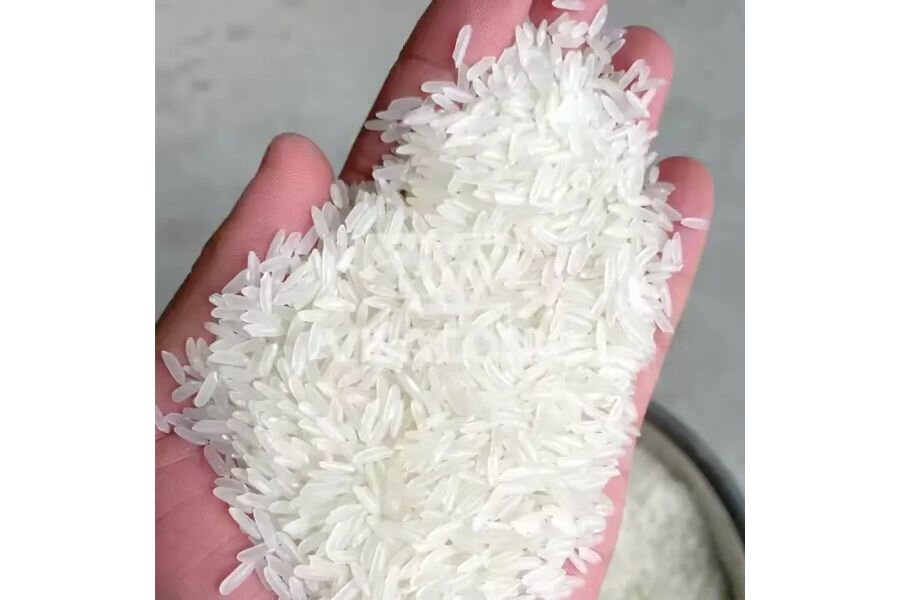
Vietnamese long grain white rice is a polished rice variety characterized by its elongated, slender grains. It is milled to remove the husk, bran, and germ layers, resulting in bright white, smooth grains that cook to a fluffy and separate texture. This rice is widely cultivated in Vietnam’s fertile river deltas, especially the Mekong Delta and the Red River Delta.
Key Characteristics
-
Long, slender grains: The rice grains are notably long and thin, contributing to their ability to cook into separate, non-sticky grains.
-
Bright white appearance: After milling and polishing, the rice has a clean, polished look that is visually appealing.
-
Aromatic fragrance: Many Vietnamese long grain rice varieties, especially jasmine types, have a subtle floral aroma that enhances the dining experience.
-
Fluffy texture: When cooked, the grains stay light and fluffy, not clumping together.
-
Low broken grain content: High-quality milling ensures minimal broken grains, enhancing texture and presentation.
Cultivation and Production
Vietnam’s geographical advantages and farming traditions support the production of excellent long grain white rice.
-
Ideal climate: The tropical monsoon climate provides warm temperatures and abundant rainfall.
-
Fertile soil: The Mekong and Red River deltas have nutrient-rich alluvial soils perfect for rice cultivation.
-
Advanced farming: Farmers apply modern cultivation techniques, including scientific breeding for aromatic and high-yield varieties.
-
Stringent quality control: Harvesting, drying, and milling processes are carefully managed to ensure grain integrity and flavor.
Vietnamese long grain white rice varieties like ST24 and ST25 jasmine rice have won international acclaim for their superior fragrance and texture.
What Dishes Are Usually Made from Vietnamese Long Grain White Rice?
Vietnamese long grain white rice is incredibly versatile and is used as the foundation for numerous traditional and contemporary dishes in Vietnam and abroad. Here are some of the most popular ways it is enjoyed:
1. Steamed Rice (Cơm Trắng)
The simplest and most common use is as plain steamed rice, known as “Cơm trắng.” It accompanies nearly every Vietnamese meal, acting as the neutral base to complement a wide range of flavorful side dishes like grilled meats, stir-fried vegetables, and soups.
-
Steamed to fluffy perfection, it allows the natural aroma and texture of the long grain rice to shine.
-
Often served with fish sauce, chili, and fresh herbs to enhance flavor.
2. Fried Rice (Cơm Chiên)
Vietnamese fried rice utilizes leftover steamed long grain rice, stir-fried with various ingredients such as eggs, vegetables, shrimp, pork, and sometimes pineapple or crab.
-
The fluffy nature of the long grain rice prevents clumping, creating a light and tasty dish.
-
Often garnished with green onions, herbs, and chili sauce.
3. Com Tam (Broken Rice)
Although technically made from broken rice grains, Com Tam dishes often use long grain white rice varieties for blending or as the base before processing.
-
Com Tam is a signature Southern Vietnamese dish served with grilled pork, eggs, and pickled vegetables.
-
The texture and flavor of the rice greatly affect the dish’s quality.
4. Rice Porridge (Cháo)
Long grain white rice is boiled extensively with water or broth to make cháo, a comforting rice porridge or congee.
-
The grains break down to create a smooth, creamy texture.
-
Served plain or with toppings like chicken, fish, or century eggs.
5. Sticky Rice Dishes (Xôi)
While sticky rice is a different variety, long grain white rice can sometimes be mixed for certain dishes or used in specific regional recipes requiring fluffier textures.
-
Used in snacks, desserts, or savory dishes with beans, meat, or coconut milk.
6. Rice Noodles and Rice Paper
Vietnamese cuisine transforms long grain white rice into rice noodles (Phở) and rice paper wrappers (Bánh Tráng), essential for dishes like Pho and fresh spring rolls.
-
The rice’s starch and texture influence noodle quality and elasticity.
-
Rice paper made from long grain rice is thin, translucent, and flexible for rolling.
7. Stuffed and Specialty Dishes
-
Bánh Chưng and Bánh Tét: Though made mostly from sticky rice, some recipes incorporate long grain rice for texture variation.
-
Grilled or steamed rice cakes: Utilized in regional specialties throughout Vietnam.
Why Use Vietnamese Long Grain White Rice for These Dishes?
The choice of Vietnamese long grain white rice for these dishes comes down to its unique properties:
-
Texture: The fluffy, non-sticky texture is ideal for meals where rice needs to remain separate and light, such as steamed and fried rice.
-
Aroma: The subtle jasmine scent adds depth to dishes without overpowering other flavors.
-
Cooking Quality: It cooks evenly and consistently, essential for recipes requiring precision.
-
Versatility: Suitable for everything from simple meals to complex preparations like noodles and rice paper.
Cooking Tips for Vietnamese Long Grain White Rice
To fully enjoy the qualities of Vietnamese long grain white rice, proper cooking is key:
-
Rinse thoroughly: Wash the rice several times until water runs clear to remove excess starch.
-
Use the right water ratio: Typically, 1.5 to 1.75 cups of water per cup of rice for fluffy grains.
-
Avoid stirring while cooking: This prevents breaking grains and ensures fluffiness.
-
Let rice rest: After cooking, let the rice sit covered for 5-10 minutes before serving.
-
Use quality cookware: A heavy-bottomed pot or rice cooker ensures even heat distribution.
Global Popularity of Vietnamese Long Grain White Rice
Vietnamese long grain white rice enjoys a strong presence worldwide:
-
In Southeast Asia: It’s a staple in countries like the Philippines, Malaysia, and Singapore.
-
In China and East Asia: Vietnamese rice is imported for its fragrant qualities.
-
In the United States and Europe: Increasing demand from Asian communities and health-conscious consumers.
-
In Africa: Used widely for both household consumption and commercial food preparation.
Conclusion
Vietnamese long grain white rice is much more than just a staple food; it embodies Vietnam’s rich agricultural tradition, culinary artistry, and global reach. Its distinctive aroma, fluffy texture, and consistent quality make it the perfect choice for a wide array of dishes ranging from simple steamed rice to sophisticated noodles and rice paper.
Whether it’s accompanying a family dinner of grilled pork and fresh herbs or forming the base of iconic dishes like pho and com tam, Vietnamese long grain white rice continues to delight palates around the world.
For anyone seeking to explore Vietnamese cuisine or elevate their rice dishes, choosing Vietnamese long grain white rice ensures authenticity, quality, and a delicious culinary experience.
Learn more: Long Grain White Rice
Xem thêm: https://foods.be5.com.vn/gao-xop/
TVQuản trị viênQuản trị viên
Xin chào quý khách. Quý khách hãy để lại bình luận, chúng tôi sẽ phản hồi sớm